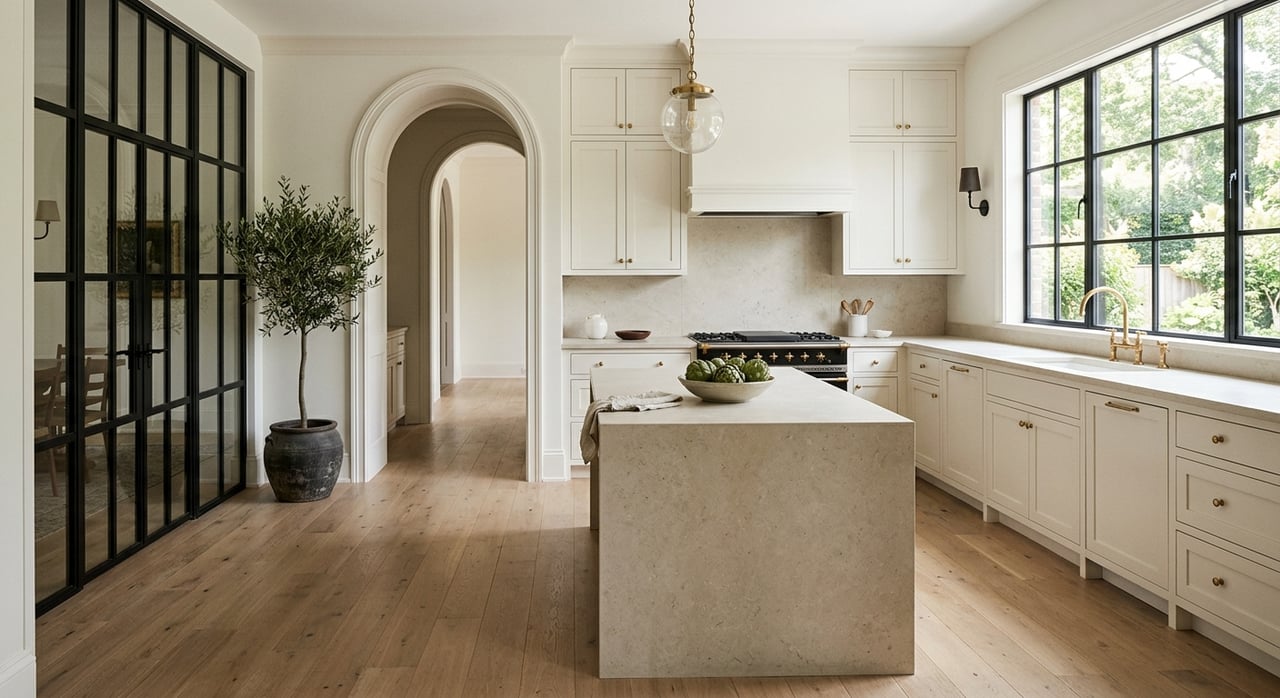
How to Choose Bloomfield Hills New Construction vs Renovation
July 2, 2026
July 2, 2026
If you are weighing new construction against renovation in Bloomfield Hills, you are not just choosing finishes or floor plans. You are deciding how much planning, site work, and long-term cost you want to take on in one of Oakland County’s most distinctive luxury markets. In this guide, you will learn how Bloomfield Hills’ lot conditions, permitting rules, timelines, and tax considerations can shape the right path for your goals. Let’s dive in.
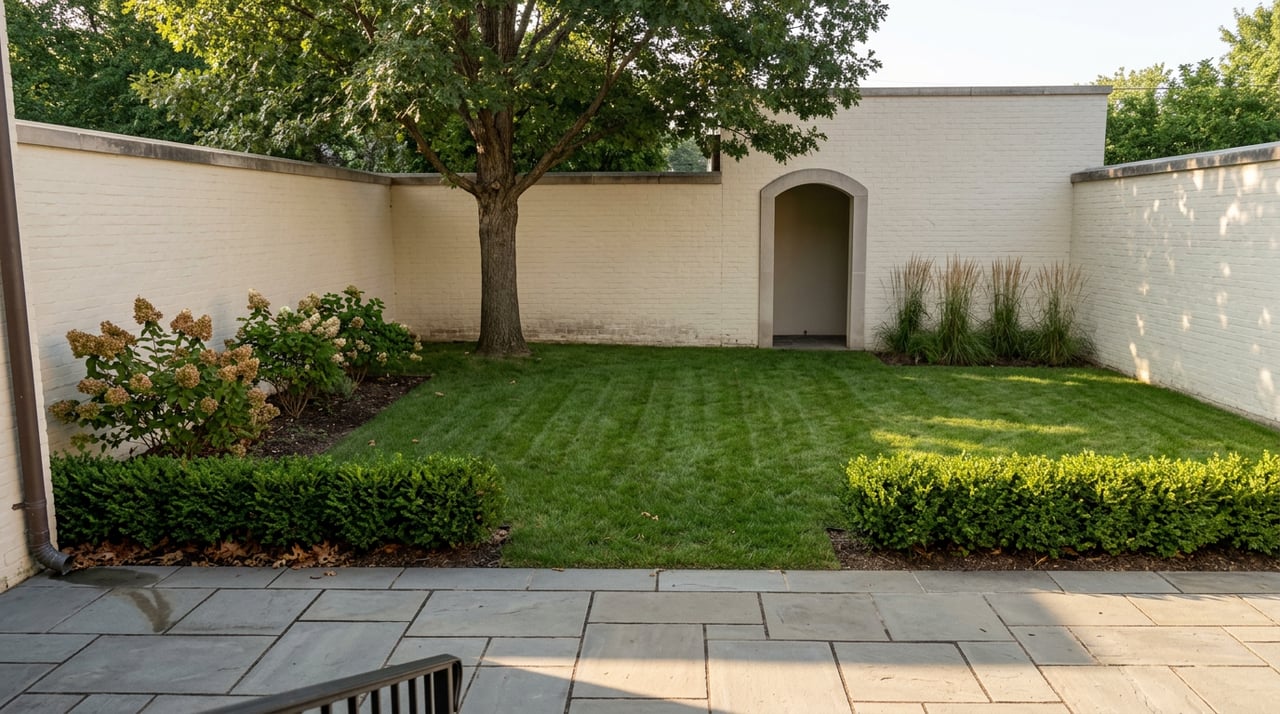
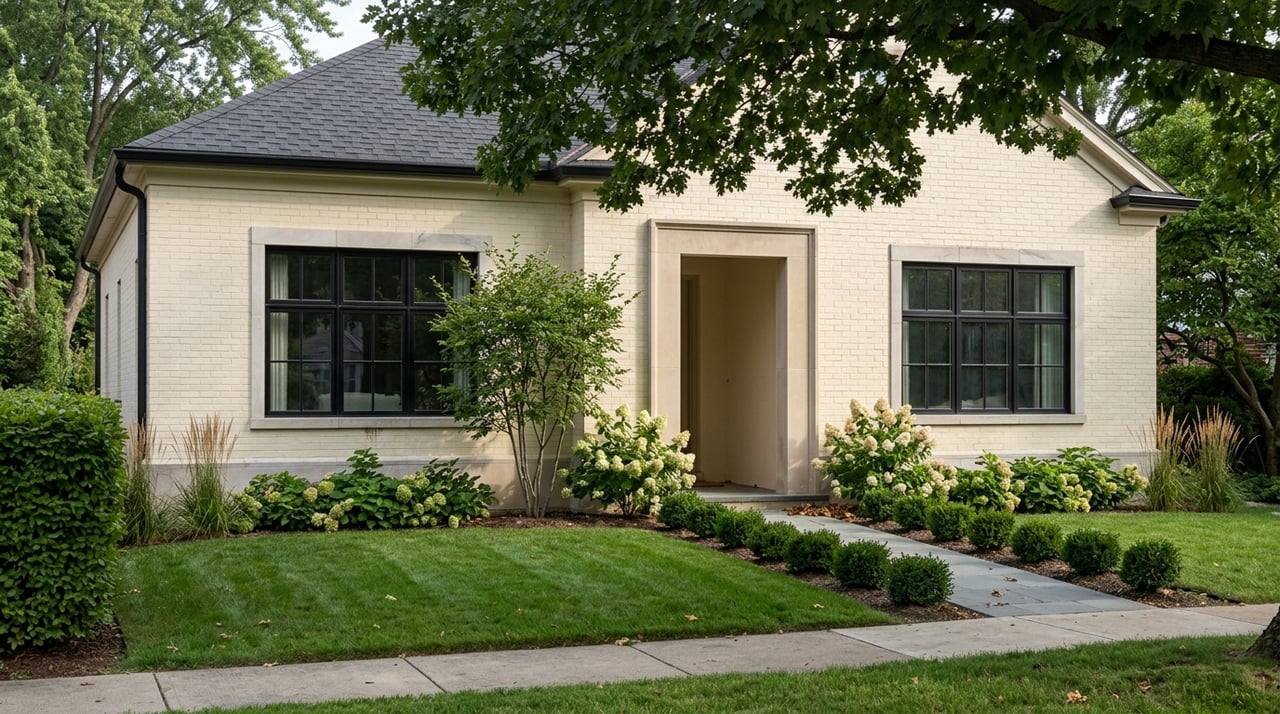
Bloomfield Hills is known for quiet residential streets, wooded lots, privacy, and stately homes. That local character matters because the lot itself often plays a major role in what you can build, how much grading may be needed, and whether a renovation can truly deliver the result you want.
This is also a premium market by any measure. Recent public data placed Bloomfield Hills with a median sale price of $912,454 in May 2026 according to Redfin, while Zillow’s typical home value was $682,107 as of May 31, 2026. The figures are calculated differently, but both point to a market where buyers and owners are often making large, long-term decisions.
New construction is often the better fit when you want a highly customized home and the existing structure is limiting your vision. If your ideal plan includes major layout changes, a very different footprint, or a home designed around today’s living preferences, starting fresh may be the cleaner solution.
In Bloomfield Hills, that choice usually works best when you already have the right lot or are buying with the lot in mind first. On wooded, sloped, or private parcels, the site can affect everything from grading to drainage to placement of features like patios, decks, generators, and air conditioning units.
A custom build gives you more control over layout, mechanical systems, energy performance, and overall flow. Instead of forcing a modern lifestyle into an older footprint, you can build around how you actually live.
That said, Bloomfield Hills does not treat new construction as a casual process. The city’s adopted code set includes the 2015 Michigan Residential Code, the 2021 Michigan Building Code, the 2021 Michigan Rehabilitation Code for Existing Buildings, the 2021 mechanical and plumbing codes, NEC 2023, and the 2021 International Property Maintenance Code.
For residential new construction, the city requires a detailed plan-review package. That includes electronic construction documents, complete dimensions, a minimum scale of 1/8 inch equals 1 foot, and clear, legible plans.
If the home is 3,500 square feet or more, architect or engineer certification is required. The city also requires grading plans for all new construction or major grade changes, and the checklist highlights items such as setbacks, natural features, open space or lot coverage, building height, retaining walls, patios or decks, accessory uses, and equipment placement.
Some projects may need more than a building permit. If the design pushes against zoning limits or includes certain site features, Planning Commission or Zoning Board of Appeals review may come into play.
Bloomfield Hills asks owners and builders to allow up to 10 business days for building plan review. Inspections must be requested by 4 p.m. the business day before, and the city generally provides approximate two-hour windows rather than exact appointment times.
You also cannot occupy the home until a Certificate of Occupancy is issued. The city states that a Certificate of Occupancy can be obtained two business days after the last required inspection is approved and the as-built grading plan is accepted.
The city charges a residential building permit fee of $7 per $1,000 of cost valuation. Plan-review fees for new construction or additions range from $500 to $1,500 depending on project size, and some projects may also involve bonds or consultant escrows.
That does not mean new construction is the wrong choice. It means you should evaluate it as a full planning and coordination process, not just a design exercise.
Renovation can be a smart option when you love the location, want to preserve the existing home, and can keep the project scope under control. If the current house already works in broad strokes and mainly needs updates to finishes, systems, or selected spaces, renovation may offer a more efficient path.
This is especially true in Bloomfield Hills when the lot is the real asset. If the home sits on a desirable parcel with mature trees, privacy, and the neighborhood context you want, improving what is already there can make excellent sense.
A bounded remodel often works well when your goals are mostly interior refreshes, mechanical updates, roofing, windows, siding, or other focused improvements. In those cases, you may avoid some of the complexity that comes with a larger structural project.
Still, renovation is not permit-free or automatically simple here. Bloomfield Hills requires permits for additions, alterations, modifications, sunrooms, decks, pools, fences, AC units, generators, retaining walls, roofs, chimney repairs, siding and gutter replacement, window and door replacement, driveway gates, and demolition.
Once a renovation grows into an addition or major structural rework, the process starts to resemble new construction. The city’s addition application requires a construction schedule, grading checklist, soil erosion and sedimentation control application, escrow acknowledgment, electronic building plans, a grading plan, site plan, and setback formula calculation.
If the project reaches 3,500 square feet or more of primary usable structure, signed and sealed plans are required. On lots near lakes, streams, drains, or meaningful topography, the soil erosion package can add another layer of review.
Major renovation can be disruptive, especially if you plan to stay in the house during construction. Bloomfield Hills limits construction hours to 7 a.m. to 5 p.m. Monday through Friday and 9 a.m. to 5 p.m. on Saturday, with no work on Sundays or legal holidays.
That schedule helps set expectations, but it also means a large remodel can stretch daily life for longer than many owners anticipate. If the work affects kitchens, bathrooms, HVAC, or large portions of the home, the practical impact can be significant.
The right choice usually becomes clearer when you look at the lot, the scope, and the approval path together. In Bloomfield Hills, these questions can quickly reveal whether renovation or new construction is the better fit.
Ask whether the parcel can support the footprint, height, and site improvements you want. In Bloomfield Hills, lot coverage, setbacks, natural features, retaining walls, drainage, and grading are often central to the feasibility of the project.
If the lot cannot comfortably support the home you want, a renovation may still leave you compromising. If the lot is excellent and the existing house is the weak point, new construction may be the stronger long-term answer.
A cosmetic remodel is one thing. A project that changes massing, site conditions, floor plan, grading, or structural systems is another.
Once the scope starts crossing into near-rebuild territory, it is worth comparing renovation and new construction side by side. In some cases, a clean new build may be more straightforward than trying to force an older structure into a very different end result.
Some projects may require Planning Commission or Zoning Board of Appeals involvement. Others may need bonds, consultant escrow, or additional grading and soil erosion review.
Those details can affect both timing and carrying costs. An early conversation with the city’s planning and zoning staff can help you understand the path before final plans are locked in, and Bloomfield Hills offers monthly office hours at City Hall for planning and zoning matters.
In Michigan, property-tax rules can affect this decision in a meaningful way. State guidance says a transfer of ownership generally causes taxable value to uncap in the following calendar year, and buyers must file a Property Transfer Affidavit within 45 days of transfer.
Annual taxable-value increases are otherwise limited except for additions and losses. In practical terms, that means a purchase or teardown and rebuild can affect your tax base differently than a simpler remodel.
Bloomfield Hills states that the principal residence exemption lowers the tax rate by 18 mills per thousand on owner-occupied homes. The city also notes that, in some cases, a former residence may keep a conditional rescission for up to three years if it is not occupied, is for sale, is not leased, and is not used for business.
Because taxes can materially affect the true cost of ownership, this is one of the most important line items to review early when comparing options.
If you are trying to make this choice with confidence, start with these practical filters:
In Bloomfield Hills, this is rarely a simple style preference. The best decision usually comes down to how well the lot, the house, and your goals align with the city’s approval process and your tolerance for complexity.
If you are weighing a purchase, teardown, custom build, or strategic renovation in Bloomfield Hills, working with a local agent who understands luxury inventory, lot value, and project fit can help you make a more confident move. For tailored guidance, connect with Erin Dewald.
Stay up to date on the latest real estate trends.
Partner with a trusted Birmingham real estate expert known for hands-on service and exceptional outcomes.