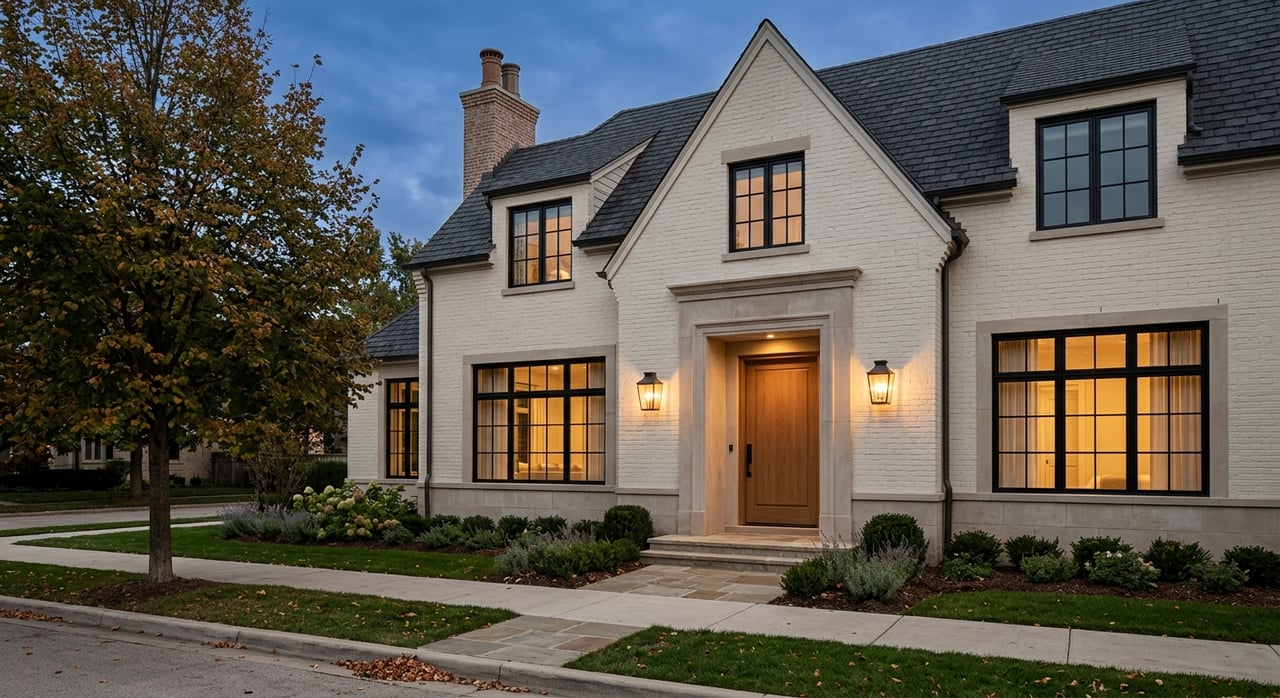
Royal Oak MI Lifestyle: Dining, Walkability, and Nightlife
May 21, 2026
May 21, 2026
If you want a suburb where you can grab coffee, stroll to dinner, catch a show, and still feel connected to everyday conveniences, Royal Oak deserves a close look. For many buyers, the appeal is not just the homes themselves, but the way daily life can feel more connected, active, and easy to navigate. Royal Oak offers that rare mix of walkable downtown energy, established neighborhoods, and quick access to the broader Metro Detroit area. Let’s dive in.
Royal Oak often feels like a place with two identities in the best way. It is an inner-ring suburb of Detroit, but the city also describes it as a walkable downtown destination with locally owned businesses, a strong farmers market, and convenient access to major highways and downtown Detroit.
That balance matters if you want a lifestyle that feels a little more dynamic than a typical suburb. You can enjoy a downtown setting with year-round activity while still living in a city that covers just 11.83 square miles and includes a broad mix of residential home styles.
Royal Oak’s downtown is one of the clearest reasons people are drawn to the city. The city highlights Downtown Royal Oak as one of Metro Detroit’s most vibrant and walkable destinations, with dining, shopping, entertainment, and events all clustered in a compact area.
This is not just a branding message. Royal Oak’s planning efforts specifically emphasize walkability, and downtown features more than 5.3 miles of sidewalks, frequent pedestrian crossings, wayfinding signage, bike racks, and a shared bike lane on Washington Avenue.
For you, that can translate into a more flexible daily routine. Instead of driving for every errand or outing, you may be able to walk between restaurants, coffee shops, public spaces, and entertainment venues with much less effort.
Even in a walkable area, convenience still matters. Royal Oak offers four downtown parking structures, along with surface lots and on-street parking for shorter visits.
The city also notes that the first two hours in parking structures are free Monday through Saturday, and parking is free on Sundays. That setup can make downtown outings feel easier, whether you are meeting friends for dinner or spending part of the day shopping and exploring.
Royal Oak’s downtown lifestyle is also supported by transit access. Centennial Commons, which sits next to City Hall and the Royal Oak Library, is served by nearby SMART bus stops and is within walking distance of downtown restaurants and businesses.
If you are thinking about how a neighborhood functions beyond your front door, that matters. Walkability is strongest when it works with public spaces, transportation options, and nearby destinations, not just sidewalks alone.
One of Royal Oak’s biggest lifestyle draws is the variety of dining options. Downtown does not lean on a single identity or one type of restaurant. Instead, it offers a broad mix of casual spots, nightlife-oriented venues, and places that can fit anything from a relaxed weeknight dinner to a more social evening out.
The downtown dining directory highlights examples such as Lily’s Seafood Grill & Brewery, Tom’s Oyster Bar, and Alchemi, which features a farm-to-table menu with Thai and Indian influences. You will also find concepts with a more entertainment-driven format, including 526 Main and Fifth Avenue.
That variety gives downtown Royal Oak a flexible feel. Some places are centered on a meal, while others blend food, drinks, music, or late-night energy into the experience.
Royal Oak’s Social District adds another layer to the downtown experience. The city allows participating businesses to sell alcoholic beverages to go for consumption in designated common areas from 11 a.m. to 10 p.m. seven days a week.
The city lists 20 licensed participants, including Bar Louie, HopCat, Lily’s Seafood Grill, Mesa Tacos & Tequila, Pronto, Royal Oak Brewery, and Tom’s Oyster Bar. For residents and visitors, that can make downtown feel more open and social, especially during warmer months or event weekends.
If you like having evening options close to home, Royal Oak has a well-established nightlife scene. Several downtown venues keep late hours, which is a major part of the city’s appeal for people who want more than just dinner service.
Examples from the downtown directory include 526 Main, which stays open until 2 a.m. Thursday through Saturday, Pronto, which stays open until 2 a.m. Tuesday through Sunday, and Fifth Avenue, which stays open until 2 a.m. on Thursday and Friday. That schedule helps explain why downtown Royal Oak often stays active later into the evening than many nearby suburbs.
Nightlife in Royal Oak is not limited to restaurants and drink spots. The downtown core is also home to the Royal Oak Music Theatre on West 4th Street, and Mark Ridley’s Comedy Castle has been part of Royal Oak’s entertainment identity for decades.
That matters because it broadens the city’s appeal. If you want live performances, comedy, concerts, or a more event-driven night out, Royal Oak offers multiple ways to spend an evening without relying on one type of venue.
Royal Oak’s energy is not just about downtown after dark. The city reports more than 50 parks and more than 310 acres of parkland, including natural areas such as Cummingston Park and Tehave Woods in Quickstad Park.
That gives Royal Oak a more balanced lifestyle profile. You can enjoy a lively downtown but still have access to green space, recreation facilities, and neighborhood-scale amenities that support daily life.
Centennial Commons plays an important role in the downtown experience. Located in the heart of the city, it includes a stage, water feature, rock-climbing wall, seating, tables, restrooms, and a memorial plaza.
Spaces like this help downtown feel more livable, not just commercial. If you are exploring Royal Oak as a place to live, public gathering spaces can shape how connected and usable a downtown actually feels.
The Royal Oak Farmers Market is another major part of the city’s identity. The city says it has operated since 1925, is open on Saturdays 52 weeks a year, and also hosts a Sunday antique market and other special events.
For many buyers, places like the farmers market say a lot about how a city functions week to week. It creates a steady rhythm that supports local routines, not just special occasions.
Royal Oak also maintains a strong cultural calendar. The city highlights public art, Arts, Beats & Eats, the Outdoor Art Fair at Memorial Park, summer concerts, Stagecrafters at the Baldwin Theatre, Emagine Royal Oak, the Royal Oak Symphony Orchestra, and performances at Royal Oak Music Theatre.
Arts, Beats & Eats is especially notable because it remains a major annual downtown Labor Day weekend festival. Events like that help explain why Royal Oak can feel especially active during late summer and early fall.
Royal Oak’s appeal often comes down to lifestyle fit. The city’s population includes diverse age groups, income levels, and residential home styles, and downtown improvements are described as encouraging more socialization and pedestrian activity.
If you are looking for a city where you can be close to restaurants, events, parks, and Detroit access, Royal Oak checks many of those boxes. The city is also minutes from downtown Detroit and close to I-696 and I-75, which supports commuting and regional mobility.
Census QuickFacts add useful context. Royal Oak had a 2024 population of 58,251, an owner-occupied housing rate of 68.0%, a median owner-occupied home value of $328,700, median gross rent of $1,381, median household income of $101,109, and a mean commute time of 23.8 minutes.
Royal Oak’s housing mix is another reason it appeals to a wide range of buyers. Downtown options include high-rise condos, loft-style residences, apartments, and co-op buildings such as The Fifth, SkyLofts, Urbane, Barton Towers, Main North Lofts, Royal Oak Manor, and Troy Street Lofts.
That range can be helpful if your needs are changing. You may be looking for a lower-maintenance condo, a more urban-style loft, or a resale home in a neighborhood with easier access to downtown amenities.
At the same time, the broader city includes many residential styles beyond the downtown core. That flexibility is part of what makes Royal Oak attractive to buyers who want lifestyle options without leaving Oakland County.
Royal Oak can be a strong fit if you want a more connected, car-light lifestyle near Detroit. The combination of walkability, entertainment density, transit access, parking convenience, and downtown housing variety supports that kind of living.
It may also appeal to buyers who want choice in how they spend their time. On one day, that could mean a walkable dinner downtown. On another, it could mean the farmers market, a concert, a comedy show, or time in one of the city’s many parks.
If your priorities include convenience, local activity, and a neighborhood feel with urban-style perks, Royal Oak offers a compelling mix.
When you are comparing Oakland County communities, the key is understanding not just home prices or square footage, but how a place will actually feel once you live there. If you are considering a move to Royal Oak or weighing it against nearby markets, Erin Dewald can help you make a confident, well-informed decision.
Stay up to date on the latest real estate trends.
Partner with a trusted Birmingham real estate expert known for hands-on service and exceptional outcomes.